
Can you lose hearing from swimmer’s ear?

Swimmer’s ear is also known as otitis externa, but it’s commonly referred to as ‘swimmer’s ear’ because regularly getting water in your ear can make inflammation more likely.
It’s a common condition affecting around one in 10 of us and it tends to be more common in women. Those aged 45 to 75 appear to be more likely to be diagnosed with it. The good news is that it generally clears up within a few days of treatment.
Symptoms include pain, inflammation, swelling and a feeling of pressure inside the ear.
Here, we consider, can swimmer’s ear cause hearing loss?
Can swimmer’s ear cause hearing loss?
The question of whether you can lose your hearing from swimmer’s ear really does depend on the individual as temporary hearing loss is a potential symptom.
Swelling or discharge from the infection can cause temporary hearing loss. Some hearing loss is a common symptom of swimmer’s ear and can present itself by sounds getting muffled. Hearing usually returns to normal within a few days.
Can swimmer’s ear cause deafness?
Hearing loss due to swimmer’s ear – usually a bacterial or fungal infection – is usually caused by a blockage or inflammation and is temporary.
If hearing loss lasts for more a week, you should see your GP or an audiologist.
How to prevent hearing loss and other symptoms from swimmer’s ear
Here are some practical steps you can take to prevent getting swimmer’s ear:
- Try to avoid getting water, soap or shampoo in the ear canal when having a bath or shower
- Keep your ears clean and dry
- Don’t insert anything into your ears
- Wear a tight-fitting swimming cap over your ears when swimming or wear ear plugs if you swim regularly
- If you have dry or itchy skin in your ear canals, speak to a pharmacist for advice on treatment
- Don’t swim in polluted water
Swimmer’s ear is common and can be uncomfortable, however, with treatment, it can clear up within a few days.
Although swimmer’s ear can cause temporary hearing loss, treatment can help to clear up the symptoms associated with an outer ear infection including hearing loss.
Remember, there are steps you can take to avoid getting swimmer’s ear such as wearing a tight swimming cap over the ears and avoiding inserting cotton buds, or other objects, into the ears.
Take care of your ears and keep enjoying safe and fun water activities!
Keep reading

Can you lose hearing from swimmer’s ear?
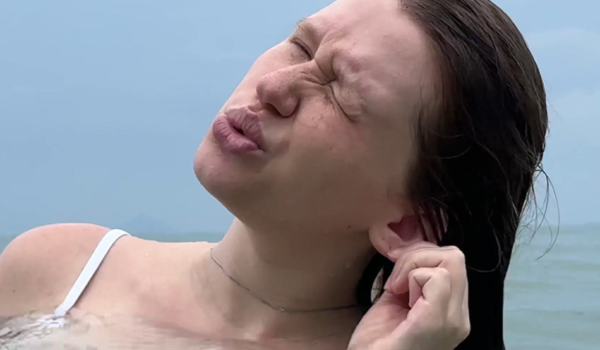
What is swimmer's ear, its causes and treatment?

How to relieve swimmer’s ear
Why EarCalm?

EarCalm’s antibacterial agent targets infection-causing bacteria, helping to relieve the uncomfortable symptoms.

Available to buy over the counter in pharmacies without a prescription.

EarCalm’s active ingredient acetic acid is an antibacterial agent that helps clear the infection which helps relieve the symptoms.
For the treatment of minor infections of the outer ear
Find your nearest stockist of EarCalm Spray